
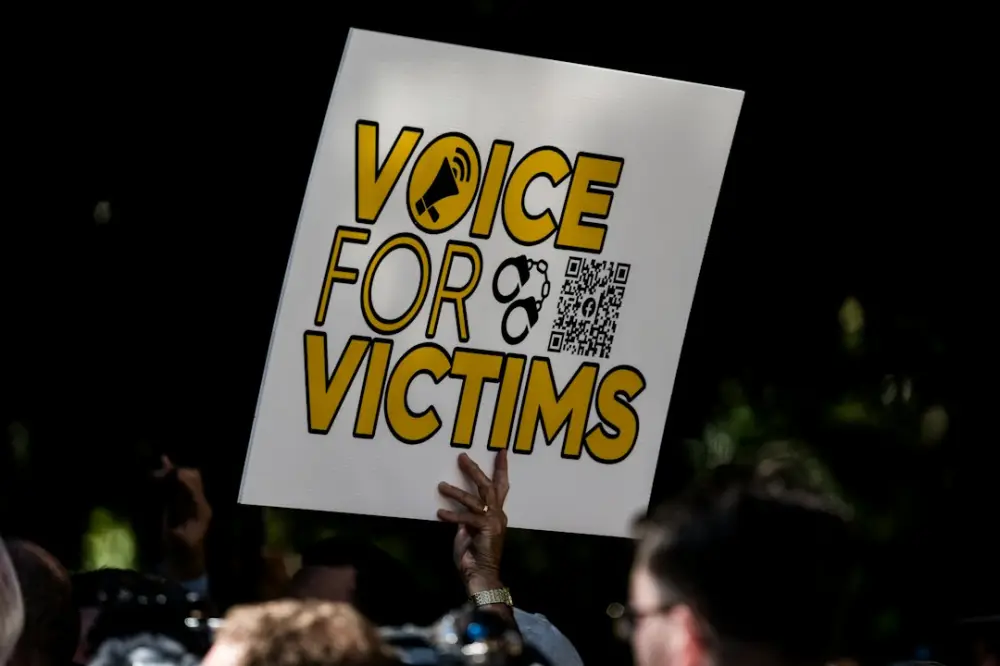
Victim rights frameworks are established legal structures designed to protect the interests and dignity of individuals harmed by criminal acts. These standards move beyond state-centered prosecution by mandating specific procedural protections, including the right to information, safety from the accused, and meaningful participation in court proceedings. They ensure that victims are recognized as key stakeholders within both domestic and international justice systems.
Practitioners balance victims’ conferral rights with prosecutorial discretion by tracking notice deadlines, documenting victim statements, and aligning each procedural step with the governing framework.
Core Protections Within the Justice Process
The operational core of victim rights involves procedural guarantees that maintain the dignity of the individual throughout a trial or investigation. One primary protection is the right to be present at all public court proceedings. Historically, victims were often excluded from the courtroom if they were expected to testify as witnesses. Modern frameworks generally allow victims to remain in the courtroom, recognizing that their presence is vital to their own healing and to the transparency of the process.
Another essential protection is the right to confer with the attorney for the government. This does not give the victim veto power over a plea deal, but it does require prosecutors to listen to the victim’s perspective before finalizing an agreement. By understanding justice systems through these interactions, legal professionals can better balance the needs of public safety with the specific requirements of those directly impacted by a crime. For instance, a victim of financial fraud might prioritize restitution over a lengthy prison sentence, a preference that the prosecutor should document and consider.
Major Statutes and International Legal Standards
Legal standards are often codified through specific statutes that provide a cause of action or a mandate for government agencies. In the United States, the Crime Victims’ Rights Act (CVRA) of 2004 serves as a primary federal pillar, granting victims the right to be reasonably protected from the accused and the right to full and timely restitution as provided by law. These statutes are not merely suggestions; they allow victims to move the court for relief if their rights are violated during the proceedings.
On a broader scale, the UN Declaration of Basic Principles of Justice for Victims of Crime and Abuse of Power provides an international benchmark. This document emphasizes that victims should be treated with compassion and respect for their dignity. It encourages member states to establish judicial and administrative mechanisms that allow victims to obtain redress through formal or informal procedures that are expeditious, fair, inexpensive, and accessible. An example of this in practice is the implementation of specialized domestic violence courts in various countries, which use these international standards to streamline the protection order process.
Accessing DOJ and NIC Support Resources
Public accountability is often driven by the resources available to those working within the system. The Department of Justice (DOJ), through the Office for Victims of Crime (OVC), manages the Crime Victims Fund. This fund, which is composed of federal criminal fines and penalties rather than taxpayer dollars, supports thousands of local victim assistance programs. These programs provide everything from crisis counseling to emergency housing for individuals fleeing dangerous situations.
The National Institute of Corrections (NIC) also plays a critical role by providing training and technical assistance to correctional agencies. This includes developing protocols for victim notification when an offender is released, transferred, or escapes. For example, the NIC offers specialized training for parole boards on how to integrate victim impact statements into the decision-making process. These resources ensure that the legal standards established in statutes are actually implemented by the personnel managing the day-to-day operations of the justice system.
Tools and External Resources for Legal Guidance
Navigating the complexities of human rights and criminal law requires specific tools designed for transparency. One widely used tool is the Victim Information and Notification Everyday (VINE) system. This service allows victims to register for automated alerts regarding the custody status of an offender. By providing real-time data, VINE empowers individuals to make informed decisions about their own safety and legal participation without having to manually call a jail or prison every day.
Legal clinics and non-profit organizations also serve as essential external resources. Organizations like the National Crime Victim Law Institute (NCVLI) provide legal research and amicus curiae support to ensure that victim rights are upheld in appellate courts. These tools help bridge the gap between the theoretical the role of global forums in setting standards and the practical application of those standards in a local courtroom. In cases involving human rights violations across borders, these resources become even more vital, as they help victims navigate the jurisdictional hurdles of international law.
Global Perspectives on Victim Advocacy
The evolution of victim rights is a global movement that relies on the exchange of information between different legal traditions. While some systems focus heavily on financial restitution, others emphasize restorative justice, where the victim and offender participate in a mediated dialogue to address the harm caused. In 2026, the focus has shifted toward ensuring that these frameworks are not just written into law but are actively enforced through public accountability mechanisms. This includes the regular auditing of law enforcement agencies to ensure they are informing victims of their rights at the earliest possible point of contact.
For those engaged in human rights legal dialogue, these frameworks represent the baseline for justice. Foro Internacional Víctimas serves as a platform for analyzing how these legal standards translate into real-world outcomes. By examining the successes and failures of victim rights implementation across different borders, the forum fosters a deeper understanding of how to build systems that are truly accountable to the people they serve. Advocacy in this niche requires a commitment to both the high-level policy discussions and the practical, ground-level tools that ensure no victim is left to navigate the justice system in silence.
Foro Internacional Víctimas provides general information only. This article is not legal advice and does not create an attorney–client relationship. Laws vary by location and change over time. Consult a qualified lawyer or legal professional about your specific situation before acting on anything in this article.